Word From Wayne
Dear F4O Family-
Spring greetings. Grace and peace to you!
Maureen and i have just returned from an 11-day trip to Egypt. We took off during my spring break time and had an incredible trip. Highlights included spending time at the Valley of the Kings and Valley of the Queens (we were able to walk down into the tombs of 8 kings and queens, including Ramses III, IV and V, Tutankhamun, and Seti II), the temples at Karnak, Luxor, Dendara, Medinet Habu, and Hatshepsut. We visited and saw the Saqqara step pyramid and went below the collapsed pyramid right next to it. We saw the great pyramids of Giza and went inside the pyramids of Khufu (a surreal experience) and Menkaure. We visited the great Sphinx and spent most of a day at the Grand Museum of Egypt in Giza where we saw the Tutankhamun display of the items discovered by Howard Carter in 1922. There are not enough words to describe the beauty and awe we had seeing these and other historical buildings in person.
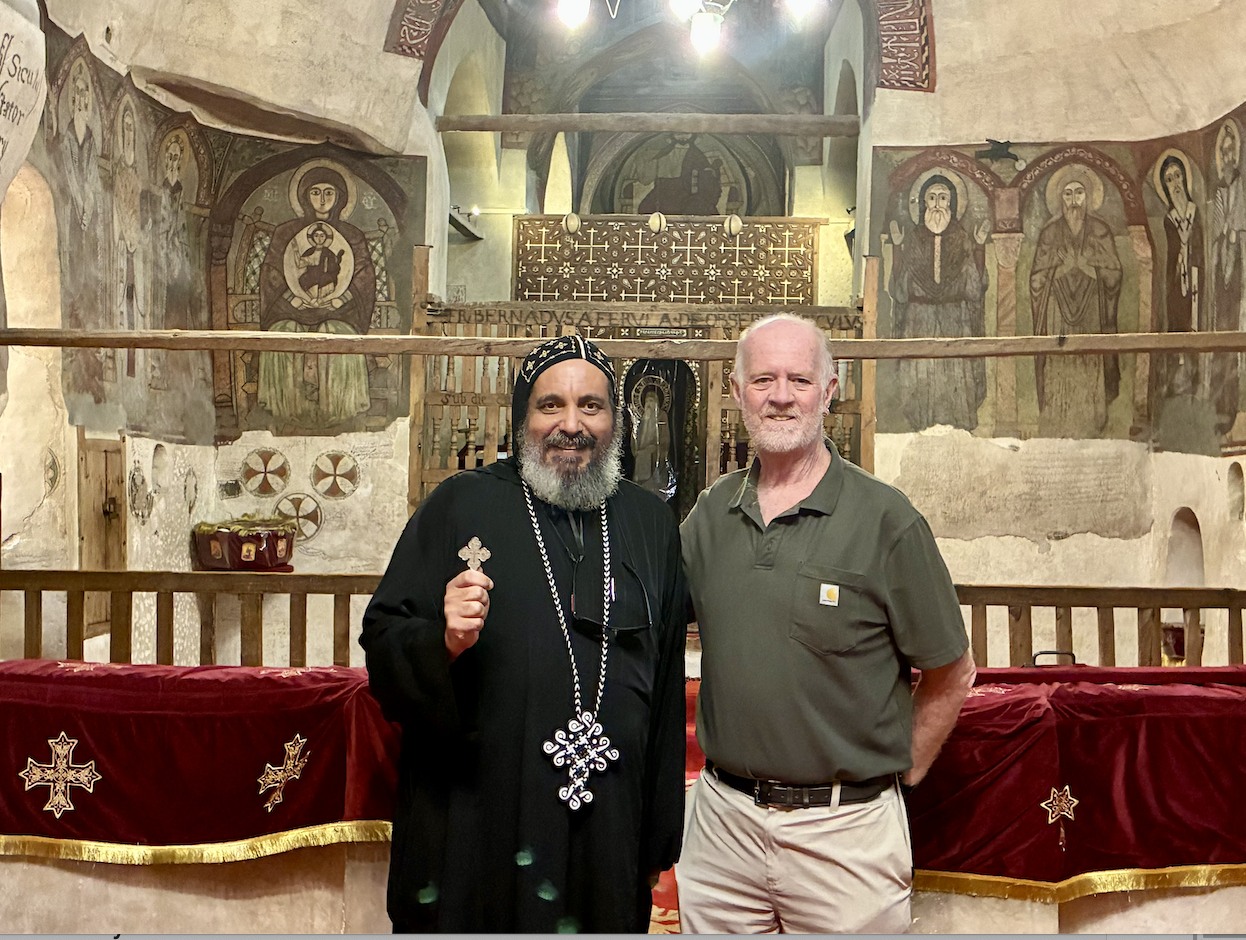
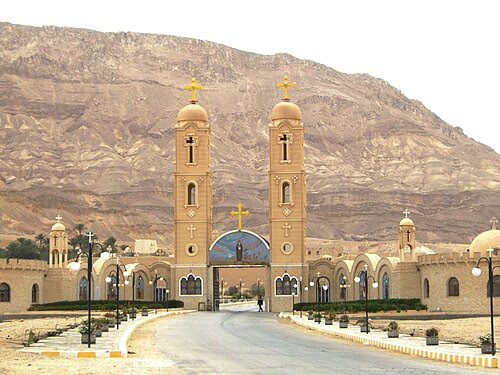
But my greatest moment occurred when we visited the St. Anthony monastery, church, spring and cave where St. Anthony the Great spent the final 45 years of his life. We visited this monastery, about 200 miles south-east of Cairo, for some final and in person research for my book Imperial Christianity, due to be published this September. I have a manuscript deadline of May 15, and am doing some final work on it.
St. Anthony is known as the "Father of all Monks" for the work he undertook while serving as a desert monk. A group formed around him, and he wrote the first set of rules or guidelines for living in a monastic community.
Anthony was born to a wealthy family in Koma, Egypt, a close suburb of Cairo. His mother died while he was young and his father died when Anthony was about 18. On his deathbed, Anthony's father reportedly told him to seek God. Anthony, moved by his father's wishes, decided immediately to follow Jesus with his heart, soul, and body. Anthony took the story of the rich man who asked Jesus what he needed to do in order "to inherit eternal life" and the response Jesus gave him, "sell all that you own and distribute it to the poor, and you will have treasure in heaven; then come, follow me" literally and seriously. He gave away some of his family's land, sold the rest, gave it to the poor, and began his life as a monk.
At age 60, he moved to a desolate mountainside where there was a spring that delivered fresh water, a cave, and fig tree, giving Anthony everything he needed: water, shelter, and food.'
Saint Anthony's life is in contrast with that of the Roman Emperor Constantine I, whose lives overlapped.
Constantine was, in reality, the rich ruler Jesus spoke about who loved his fame and wealth so much that he could not sell his possessions, give them to the poor, and follow Jesus. My book contrasts the life and worldview of Jesus with the life and worldview of Constantine I. St. Anthony shows, in my opinion and book, a more faithful approach to Jesus's teachings than that of Constantine.
Food for thought.
In peace-
Wayne